

No results found
Filters
Get a personalized offer and find out how much you can save.
Enter your email address and we will send you a customized solution.
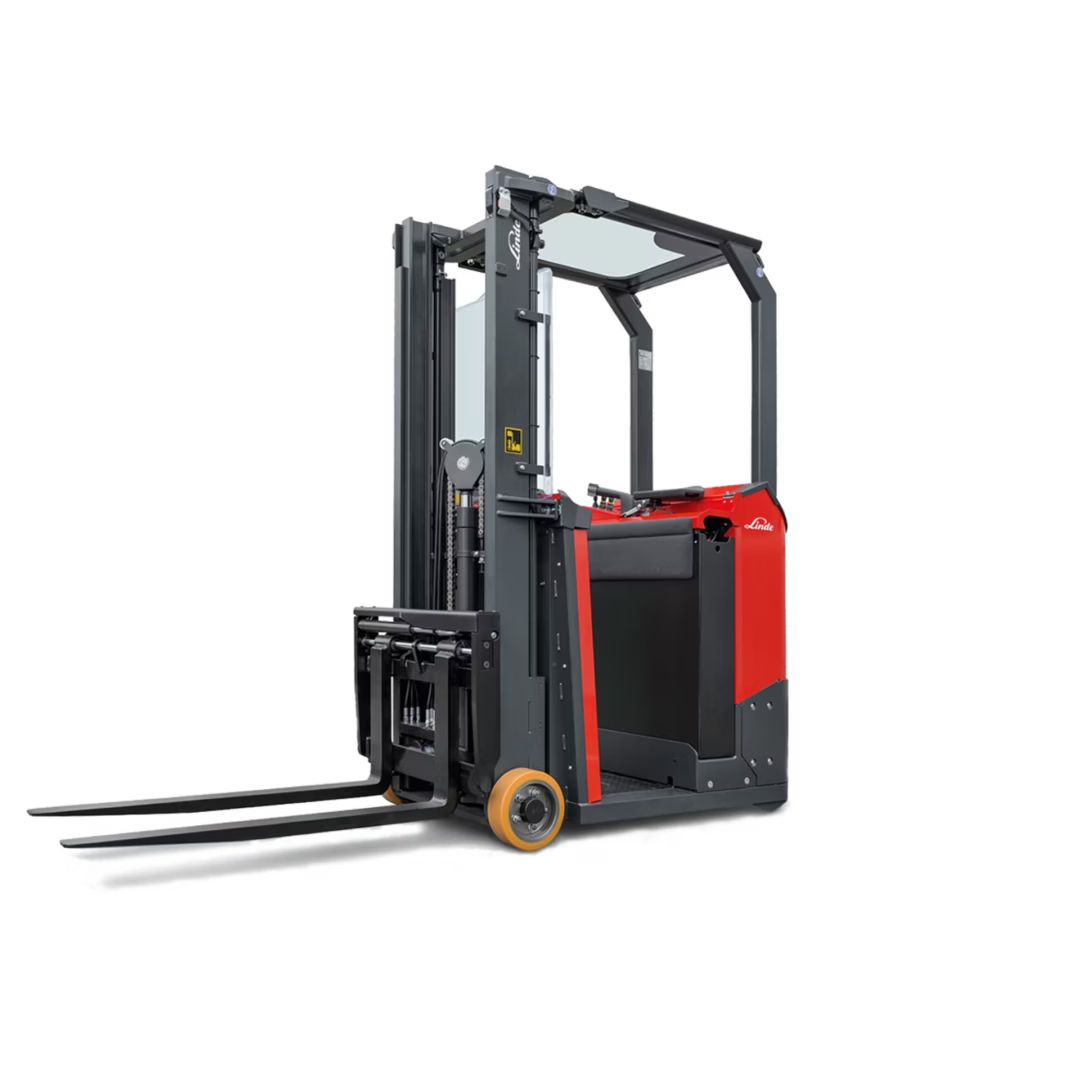
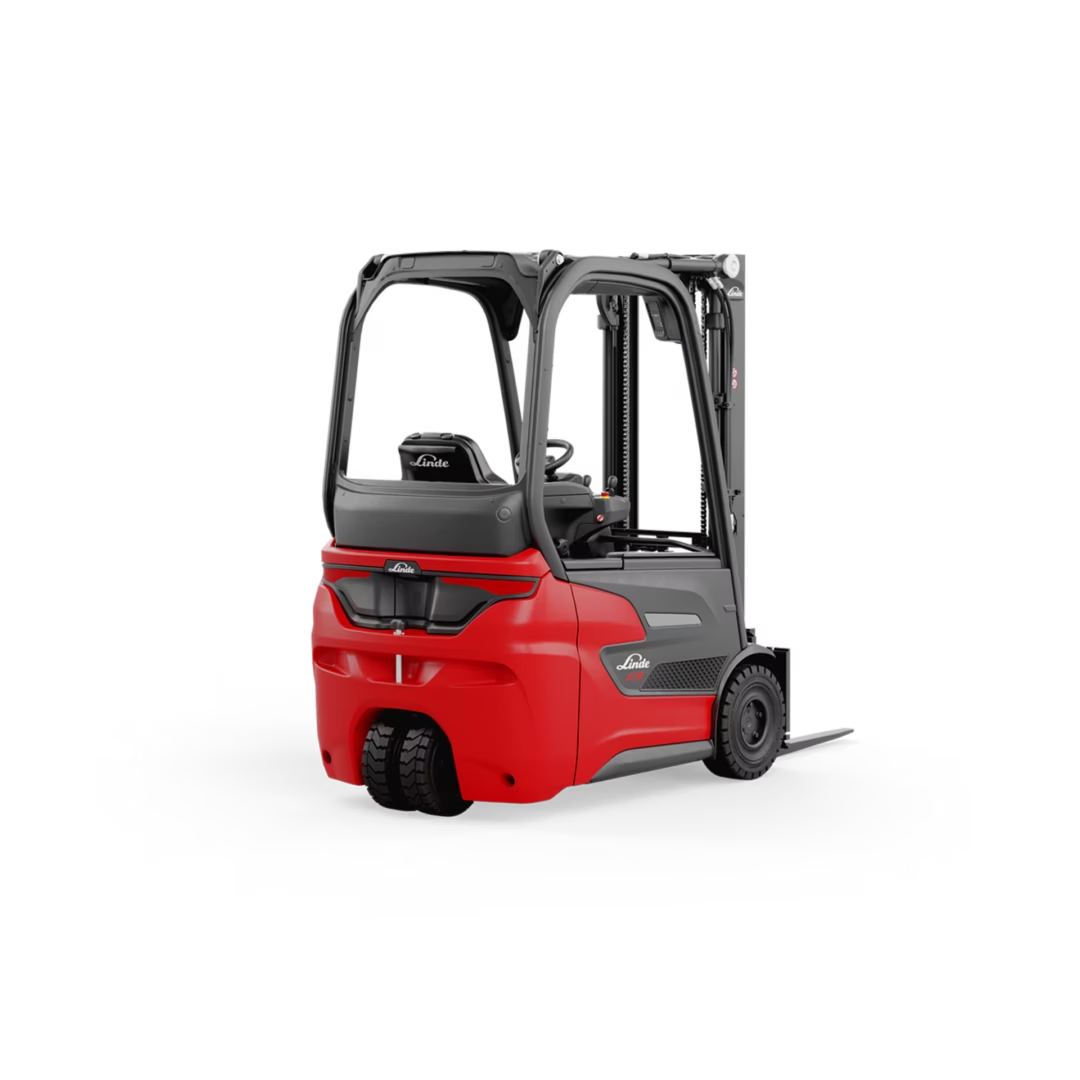
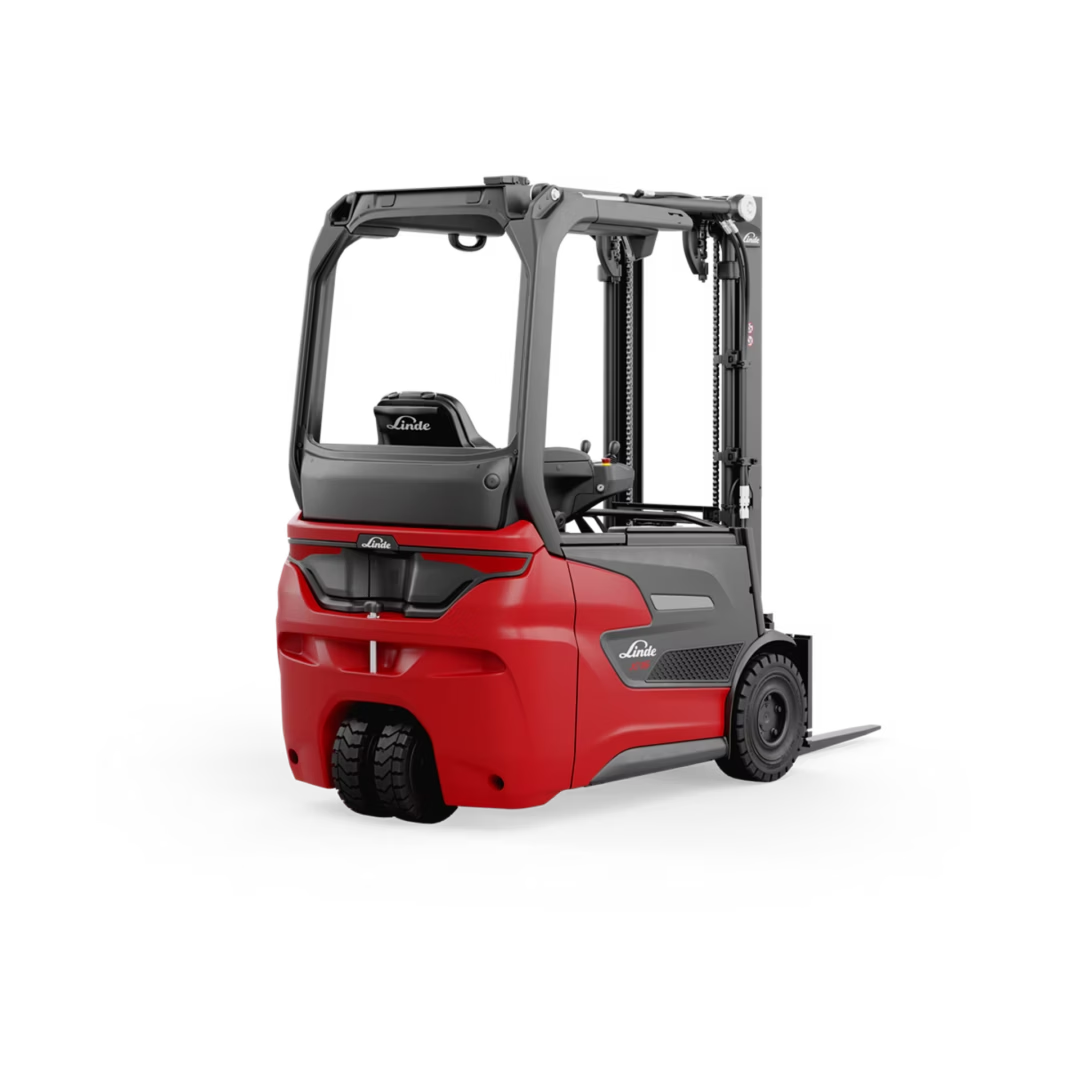
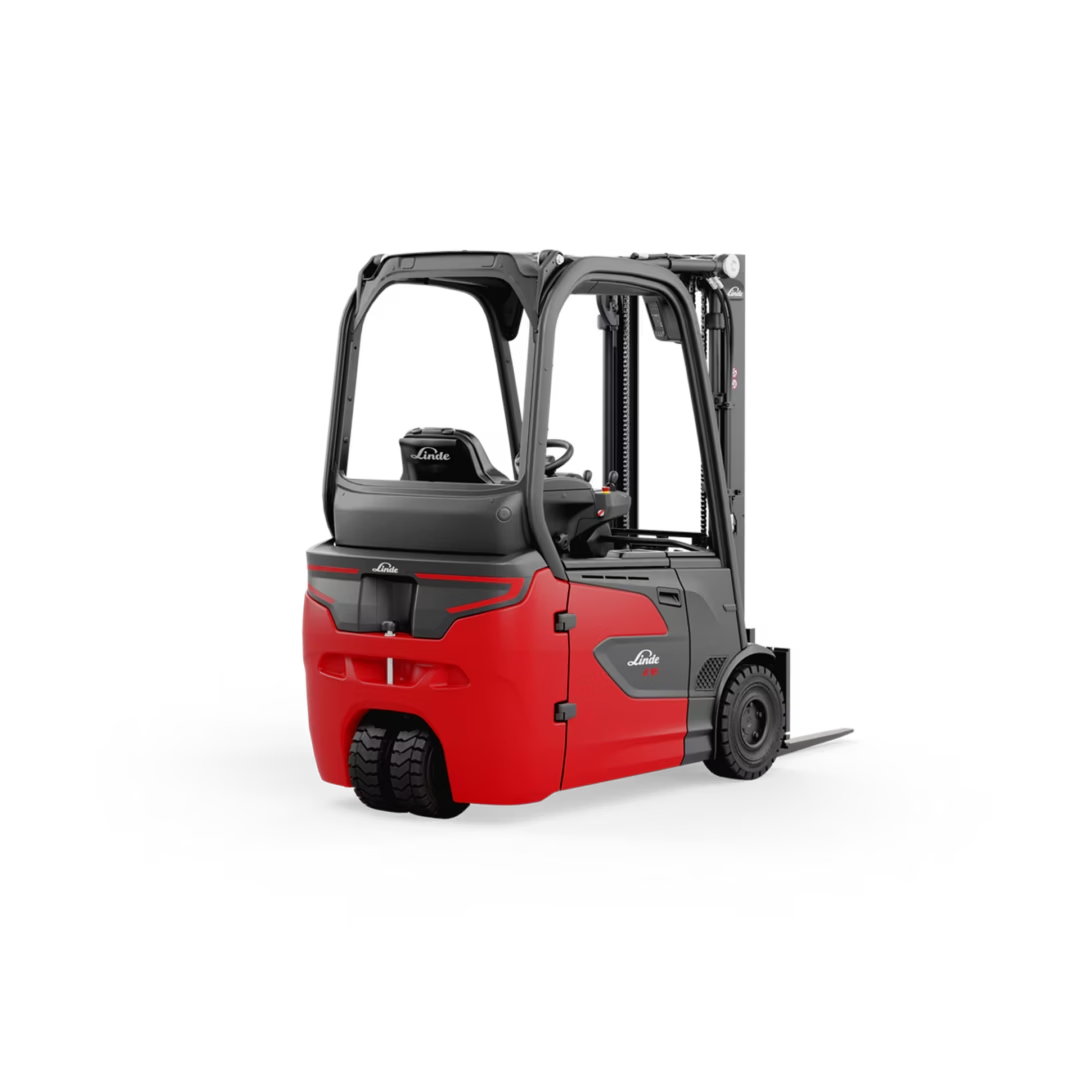
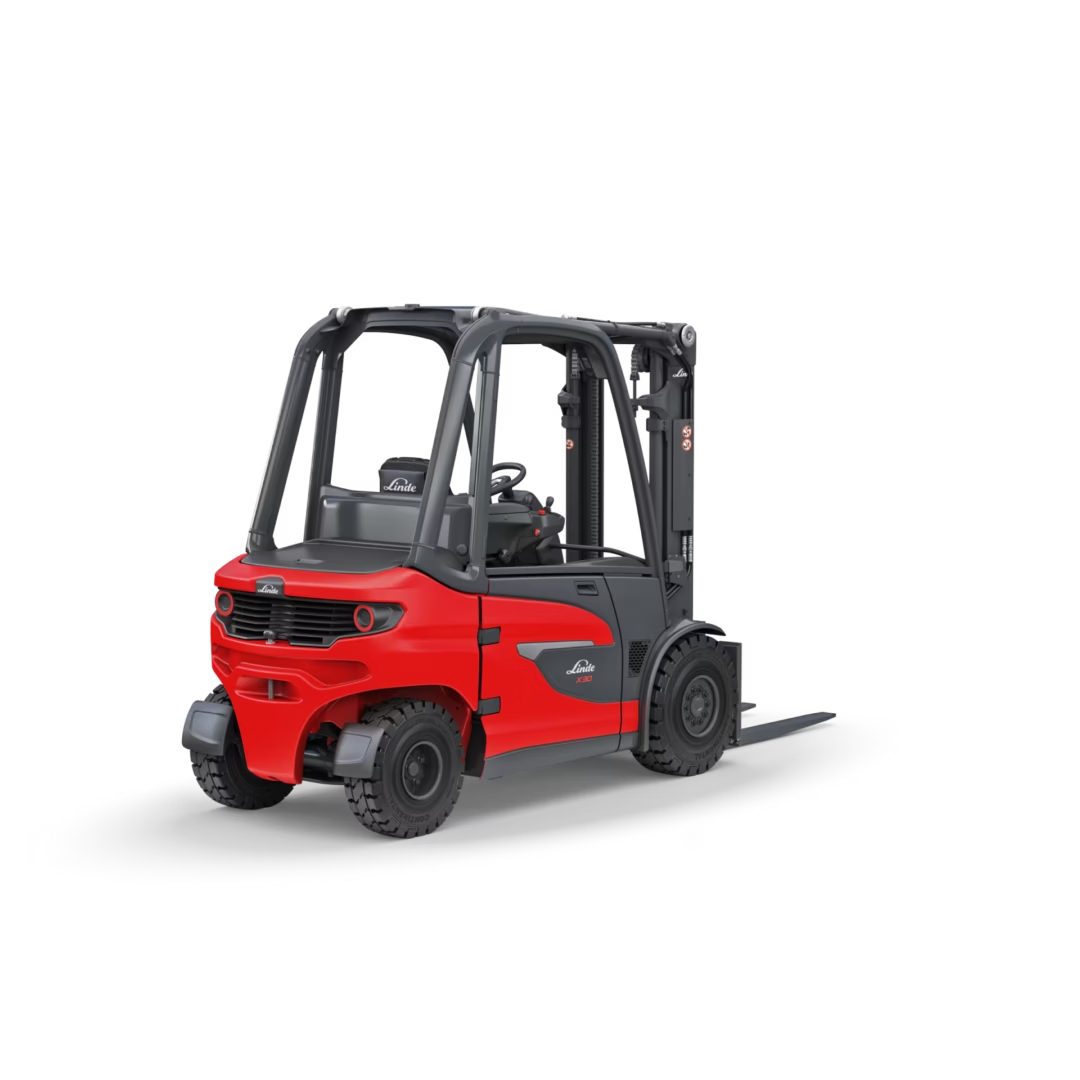
Electric forklifts are used for lifting, transporting, and moving pallets. Different electric forklift models help perform material handling operations quickly and easily both outdoors and indoors. Electric forklifts are operated from a seated position, ensuring safe and comfortable operation for the operator.
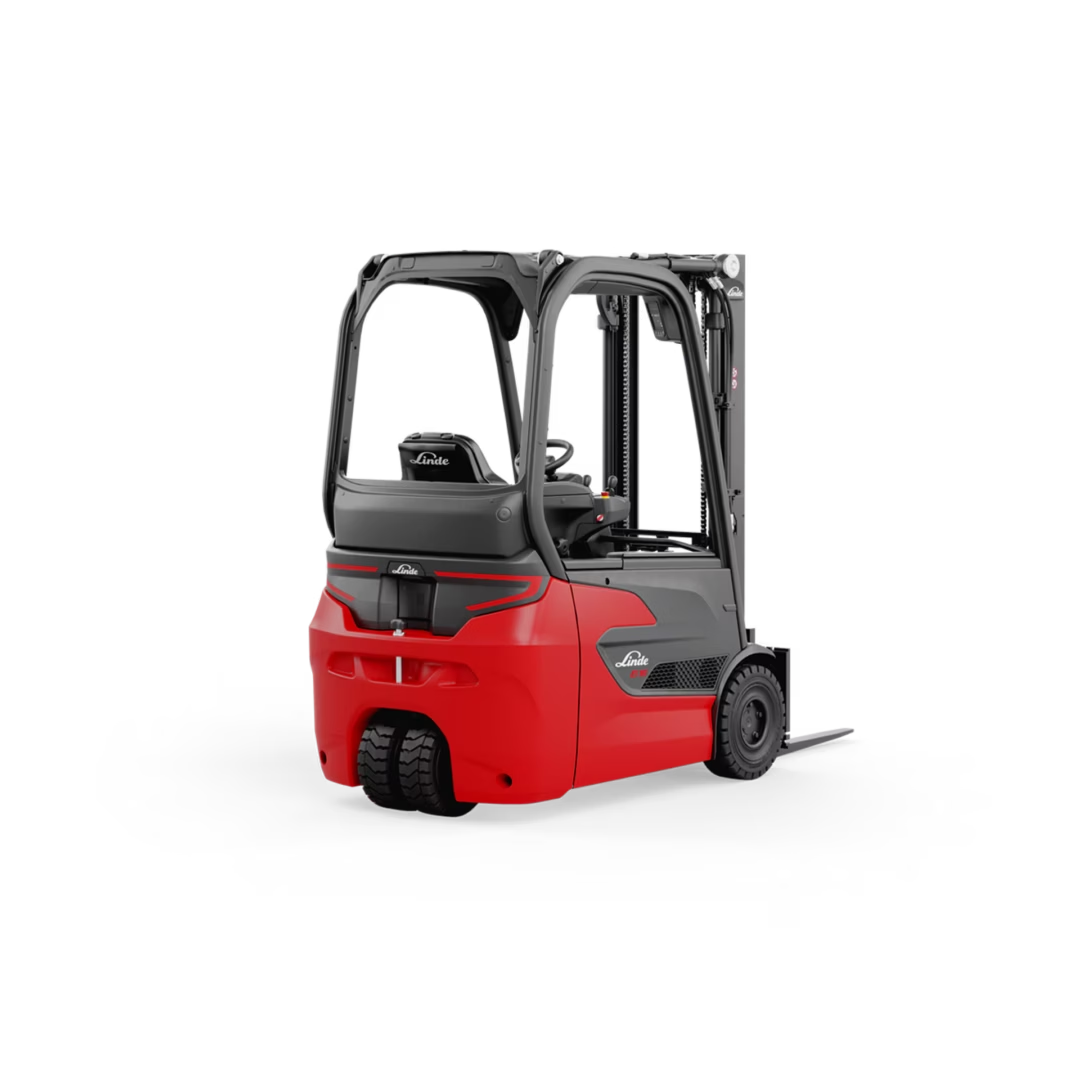
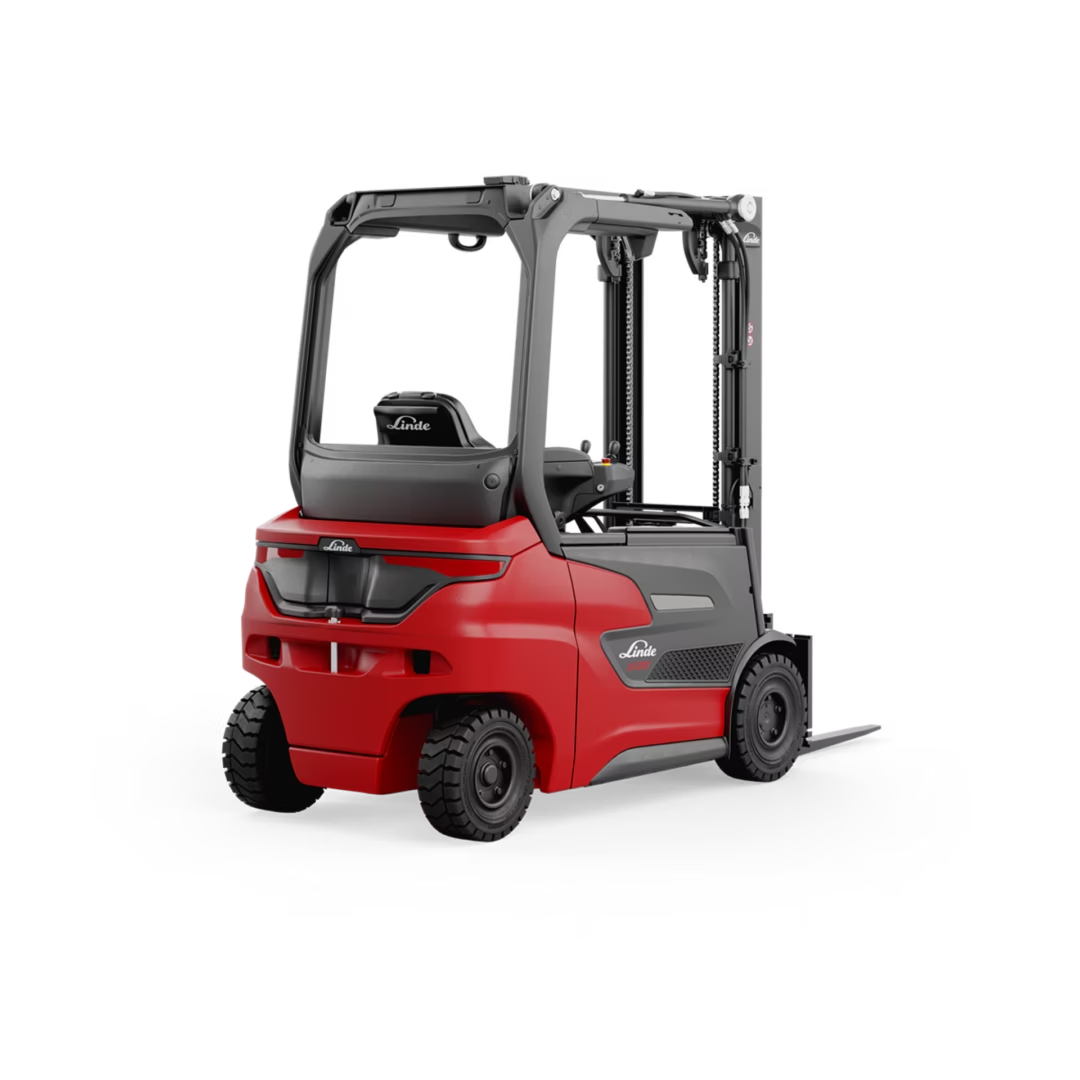
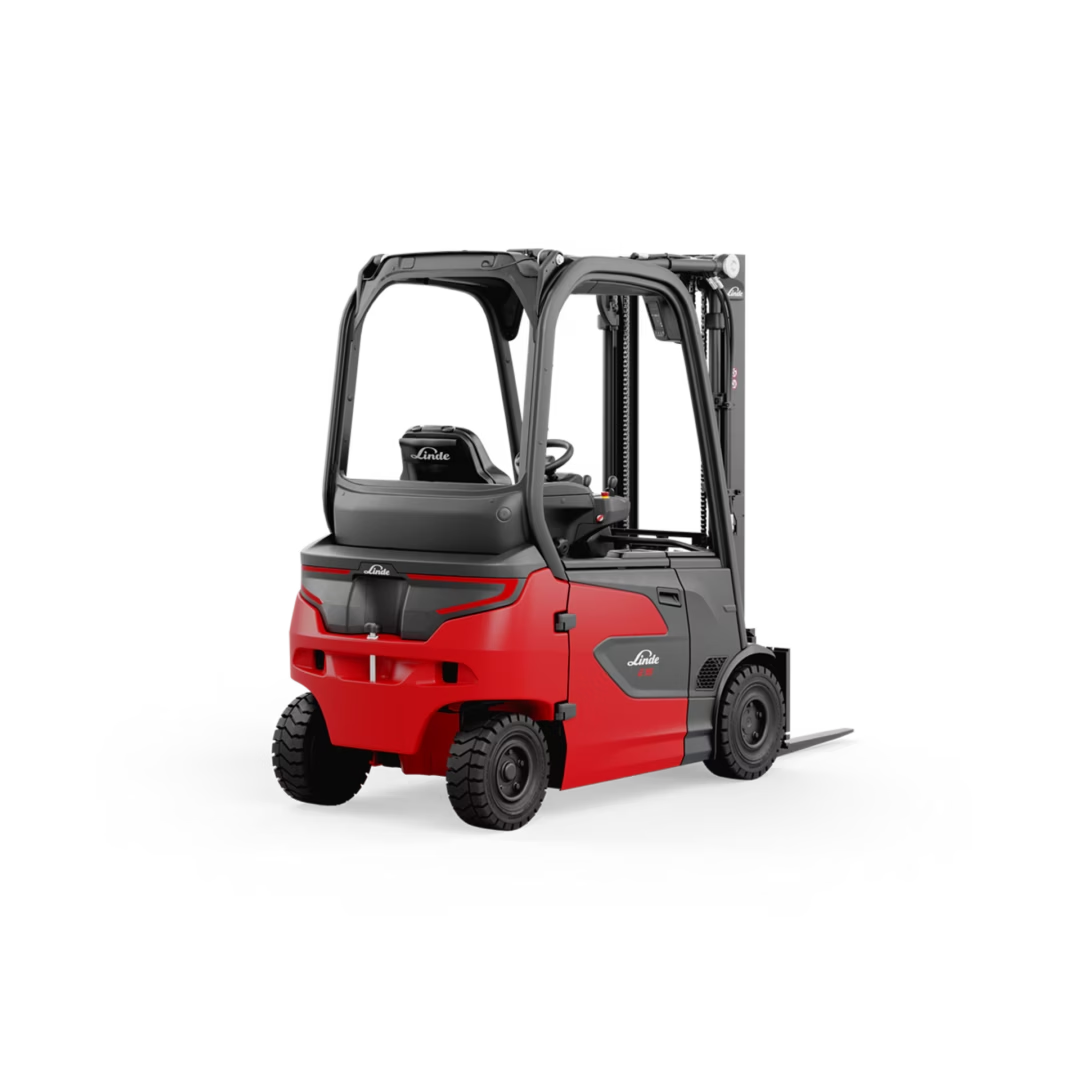
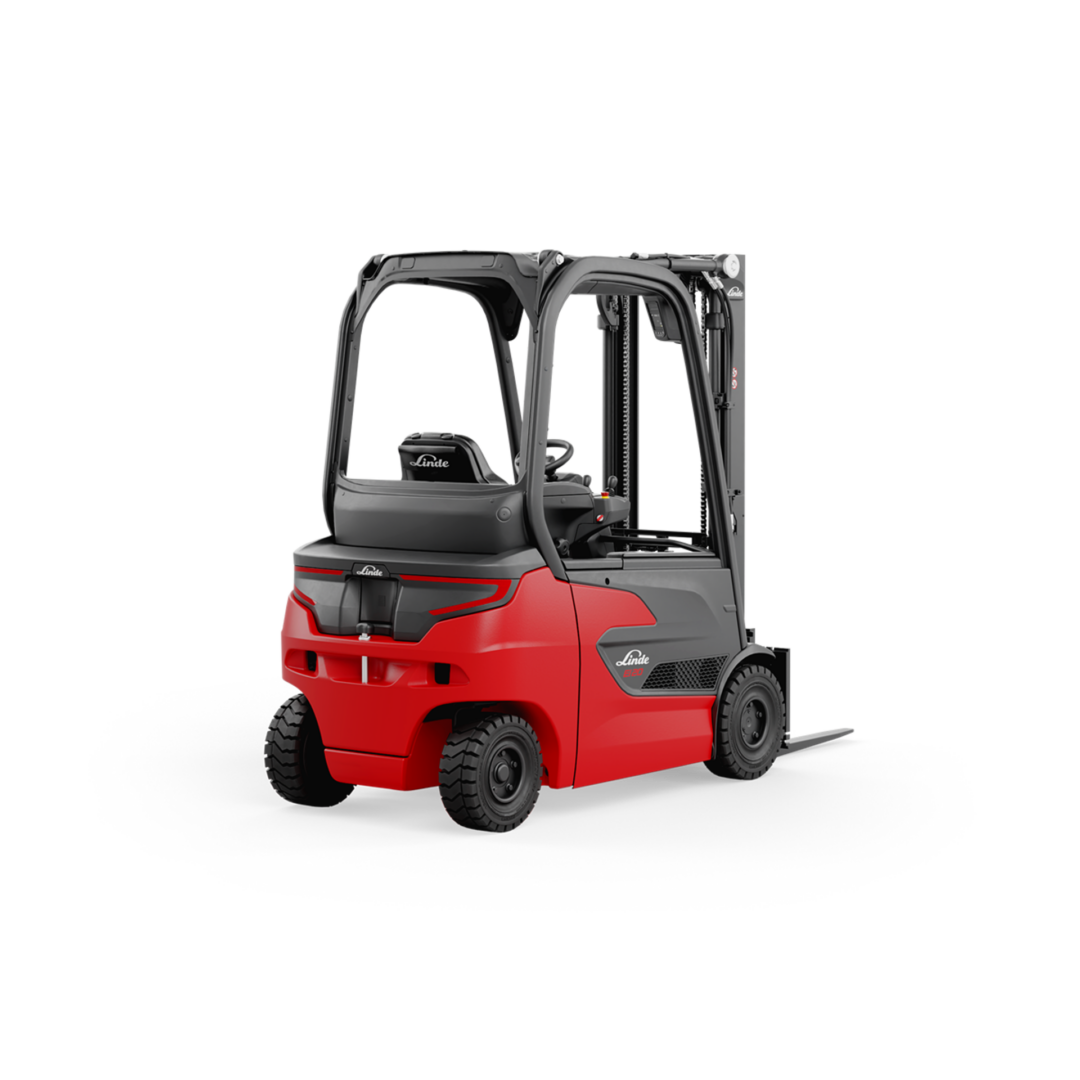
Electric forklifts (also known as electric lift trucks) are battery-powered material handling equipment designed for lifting, transporting, and storing pallets both indoors and outdoors. Alwark supplies Linde Material Handling E and Xi Series models — both three-wheel and four-wheel versions — with load capacities of up to 18 tonnes and lift heights of up to 8 m. Thanks to zero direct emissions during operation and lower noise levels, these forklifts are often used in environments where internal combustion engines are less suitable due to air quality or noise requirements.
Which forklift should you choose — electric or diesel/gas?
Electric forklifts produce no direct exhaust emissions during operation and have lower noise levels, making them suitable for indoor facilities, food and pharmaceutical warehouses, and environments where air quality is important. Diesel and gas forklifts are more commonly selected for intensive outdoor operations, as they do not require charging infrastructure and can provide longer continuous operation. The choice depends on the working environment, load characteristics, and daily operating intensity.
Which model should you choose — three-wheel or four-wheel?
The three-wheel Linde Xi/E14–E20 and Xi10–Xi20 models are more manoeuvrable in narrow aisles thanks to their rear steering axle with a large steering angle. Four-wheel Xi/E16–E20 P, Xi16–Xi20 RP, and X20–X35 models are generally more stable when handling heavy loads (up to 3.5 t), on uneven surfaces, or in outdoor operating conditions. Three-wheel models are usually sufficient for narrower aisles, while four-wheel models provide greater stability when working with heavy loads.
Which battery should you choose — lithium-ion or lead-acid?
Lead-acid (LAB) batteries are generally cheaper to purchase, but they often require full charging cycles and a separate ventilated charging area in accordance with the EN 50272-3 standard. Lithium-ion batteries allow opportunity charging, for example during operator breaks, and can reduce the need for battery replacement in multi-shift operations. For single-shift operations, LAB batteries are often sufficient, while Li-ion batteries are more commonly selected for two- or three-shift operations due to reduced downtime and easier operation.
How long does an electric forklift last?
In industrial applications, the typical service life is approximately 10,000–20,000 operating hours. However, the actual lifespan may vary depending on the manufacturer, operating intensity, working conditions, and maintenance quality.
Regular maintenance according to the manufacturer’s recommendations helps reduce the risk of premature component wear. Alwark performs a 40-point inspection for used equipment and provides a warranty and transparent service history, which can be a cost-effective alternative to purchasing new equipment.
Can you rent a forklift and what warranty is provided?
Alwark offers both short-term and long-term equipment rental solutions. Short-term rental is typically used during seasonal peaks, for project-based work, or as replacement equipment during repairs. Long-term rental (12–60 months) usually includes preventive maintenance, and a replacement forklift may be provided in case of breakdown.
New equipment is covered by the Linde manufacturer warranty. Used equipment is provided with a 6–12 month warranty after completing the 40-point inspection. Spare parts are generally covered by a 6–12 month warranty, while selected components may have warranty coverage of up to 5 years. Service work is covered by a 6-month warranty.