

No results found
Filters
Trucks for performing different handling and transport work.
Get a personalized offer and find out how much you can save.
Enter your email address and we will send you a customized solution.
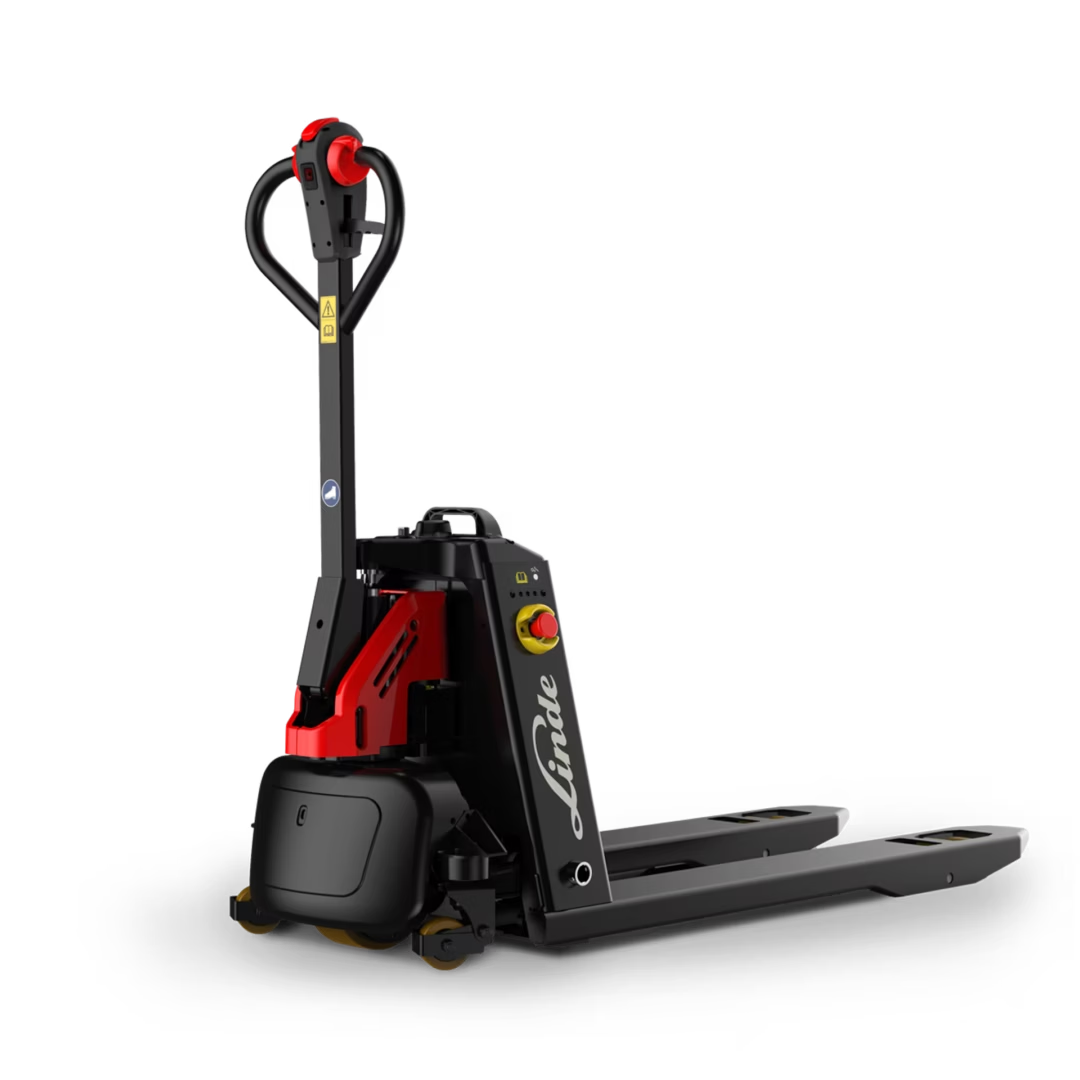
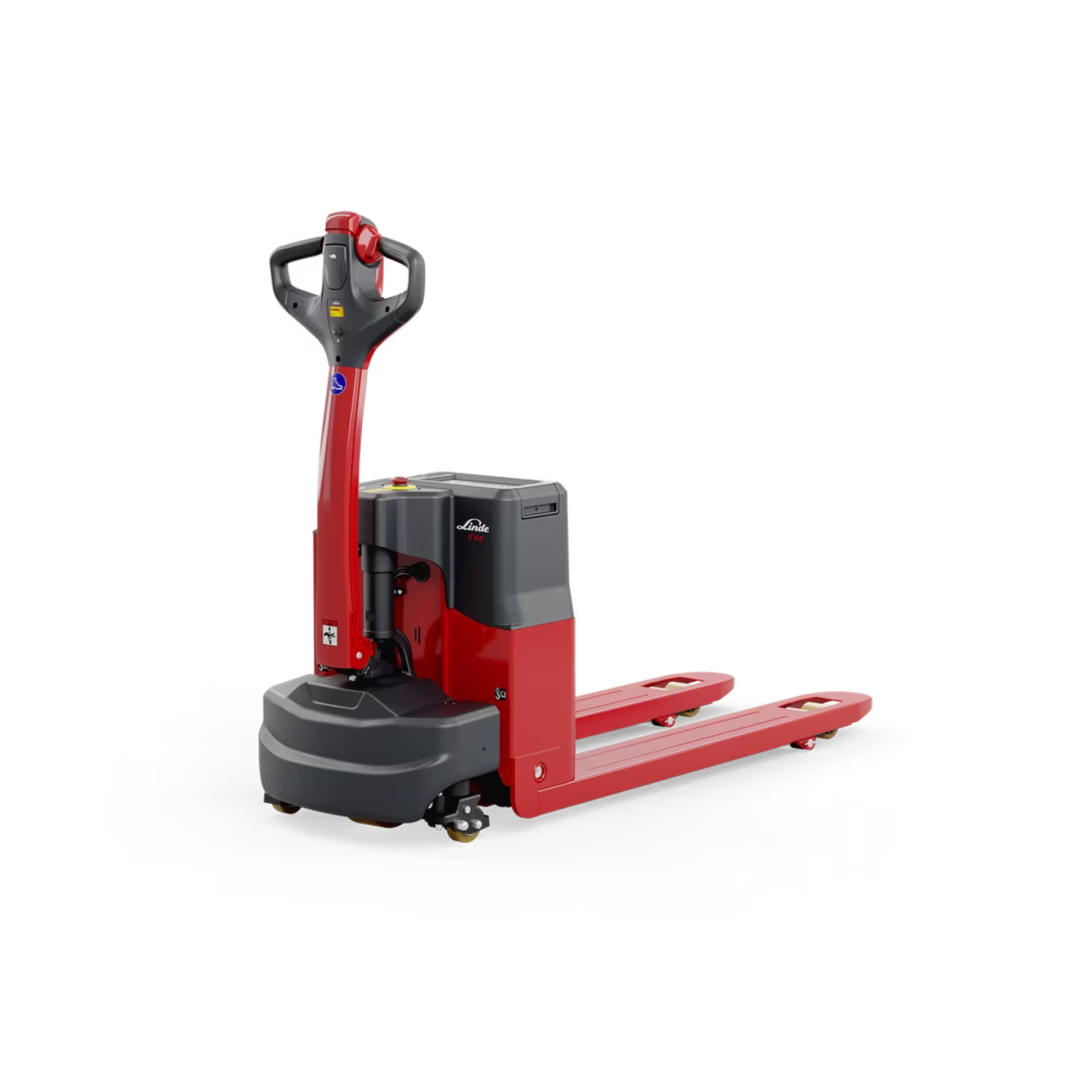
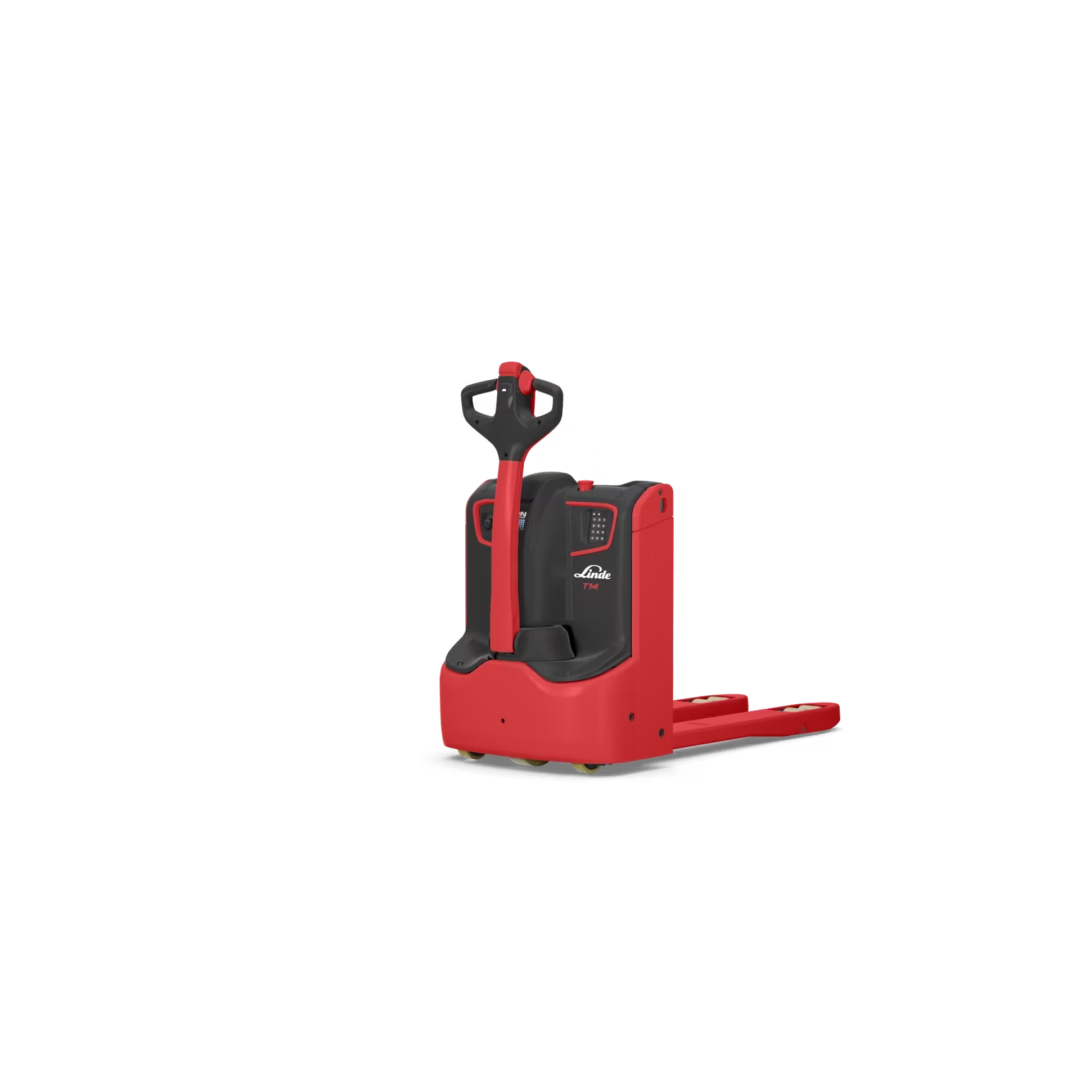
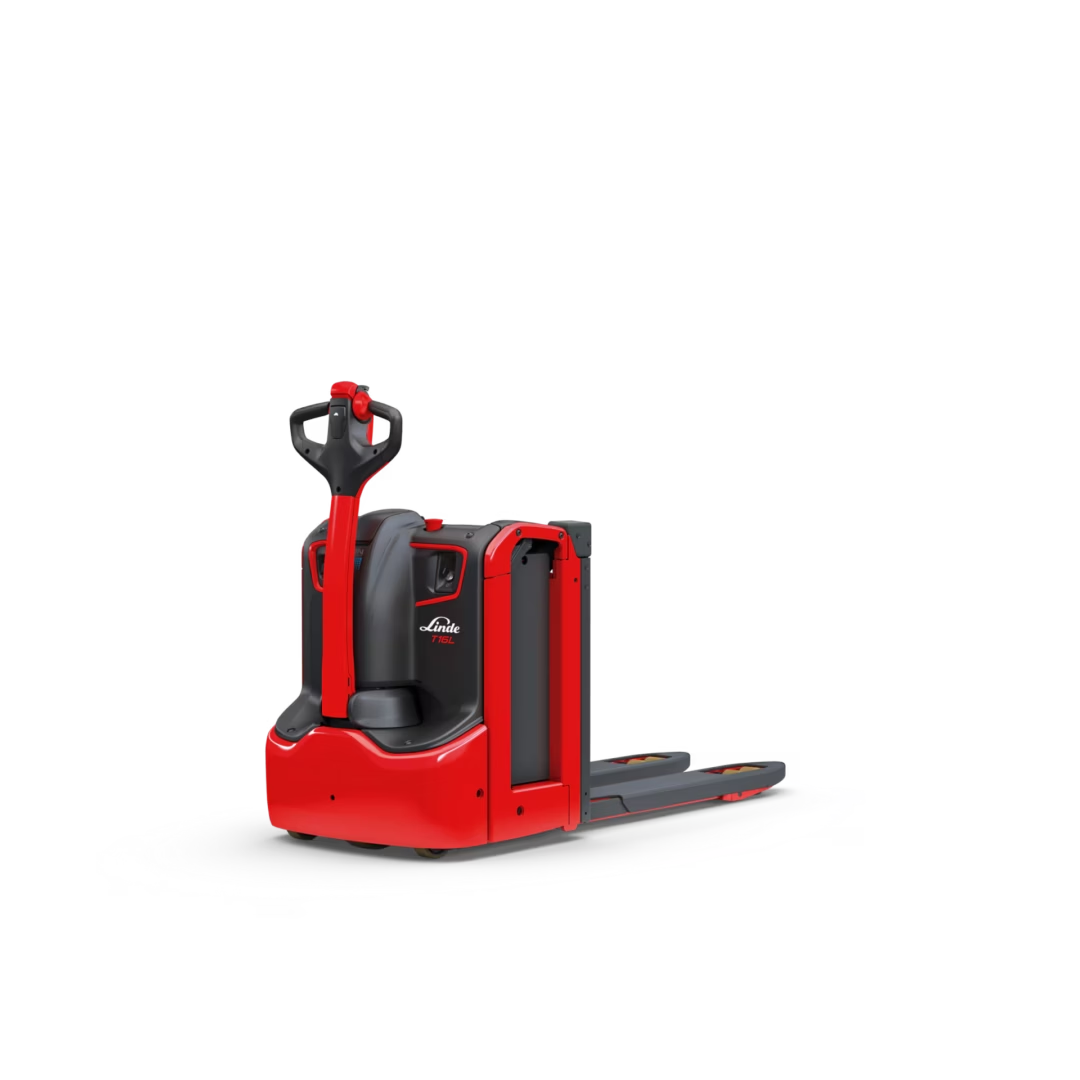
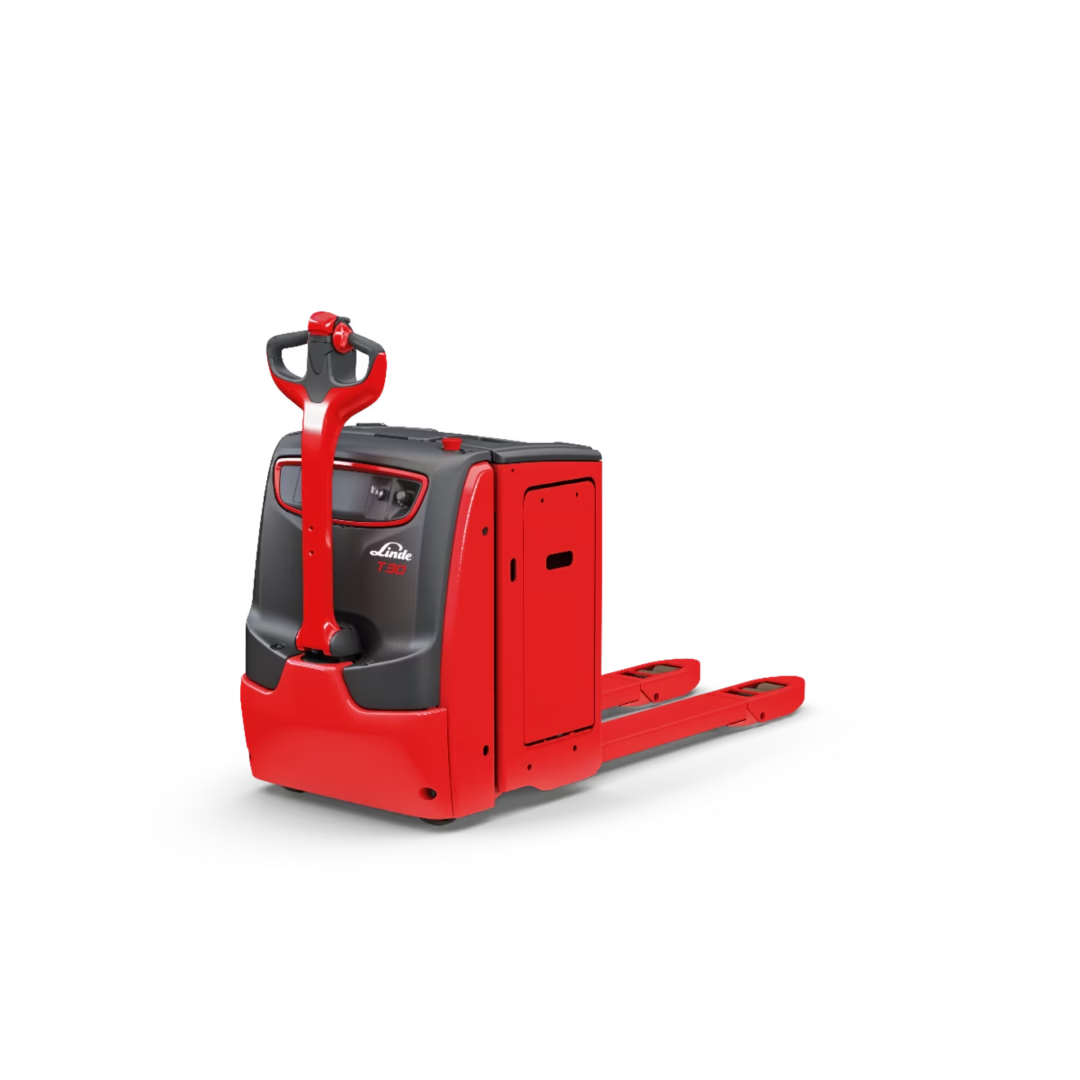
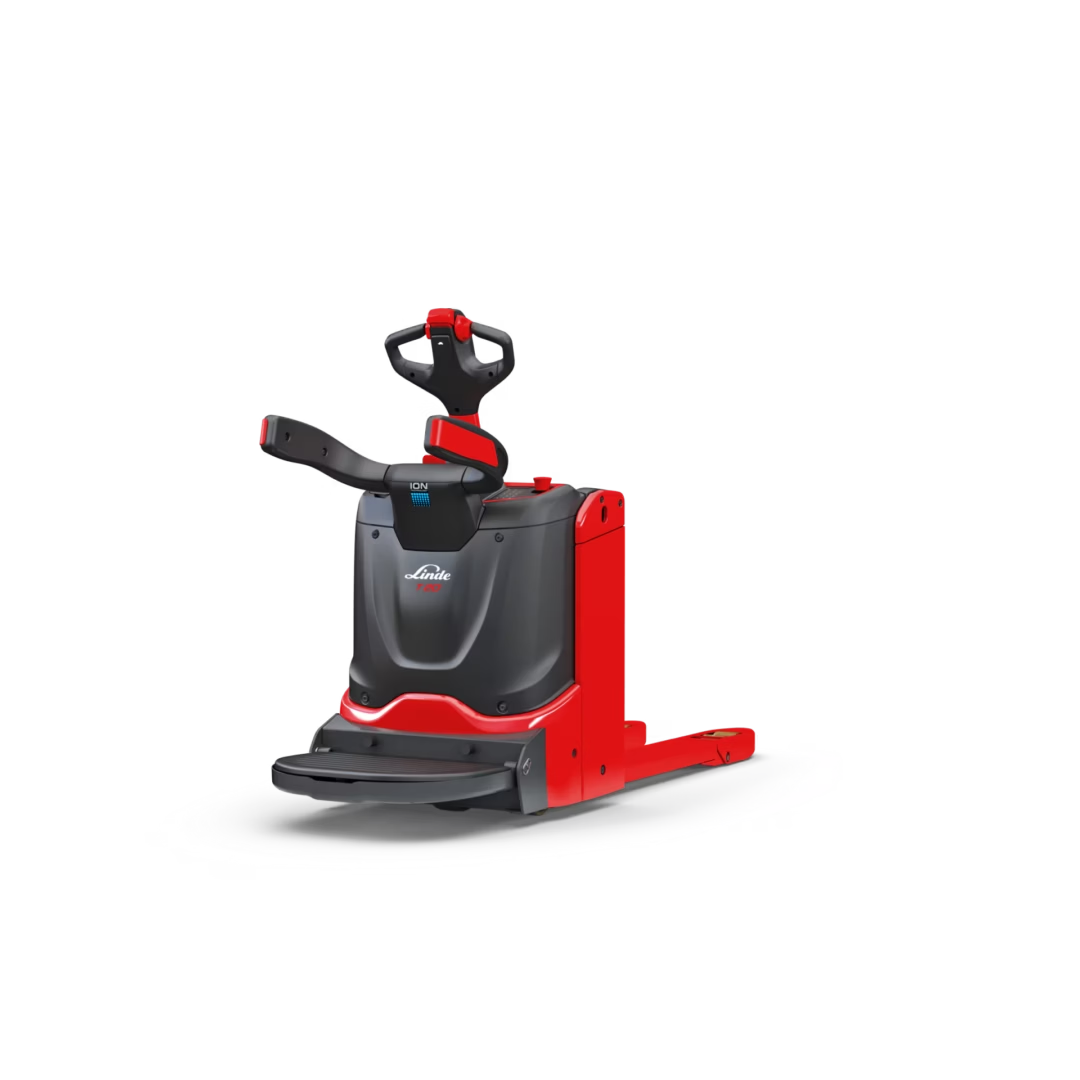
Electric pallet trucks are used for transporting pallets. They are suitable for loading, unloading, and sorting goods. Electric pallet trucks are characterised by excellent manoeuvrability and ease of operation both in various indoor environments and on outdoor sites.
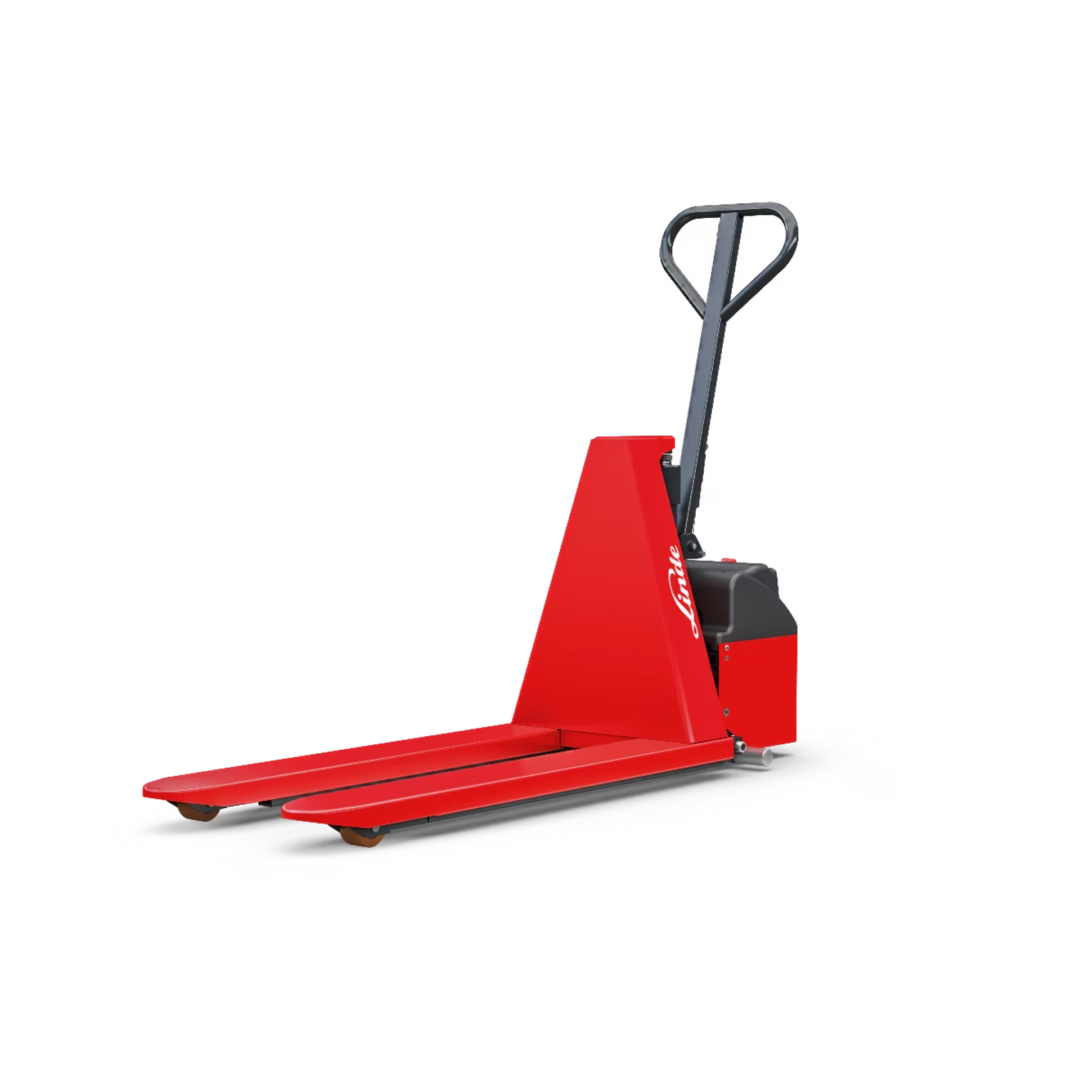
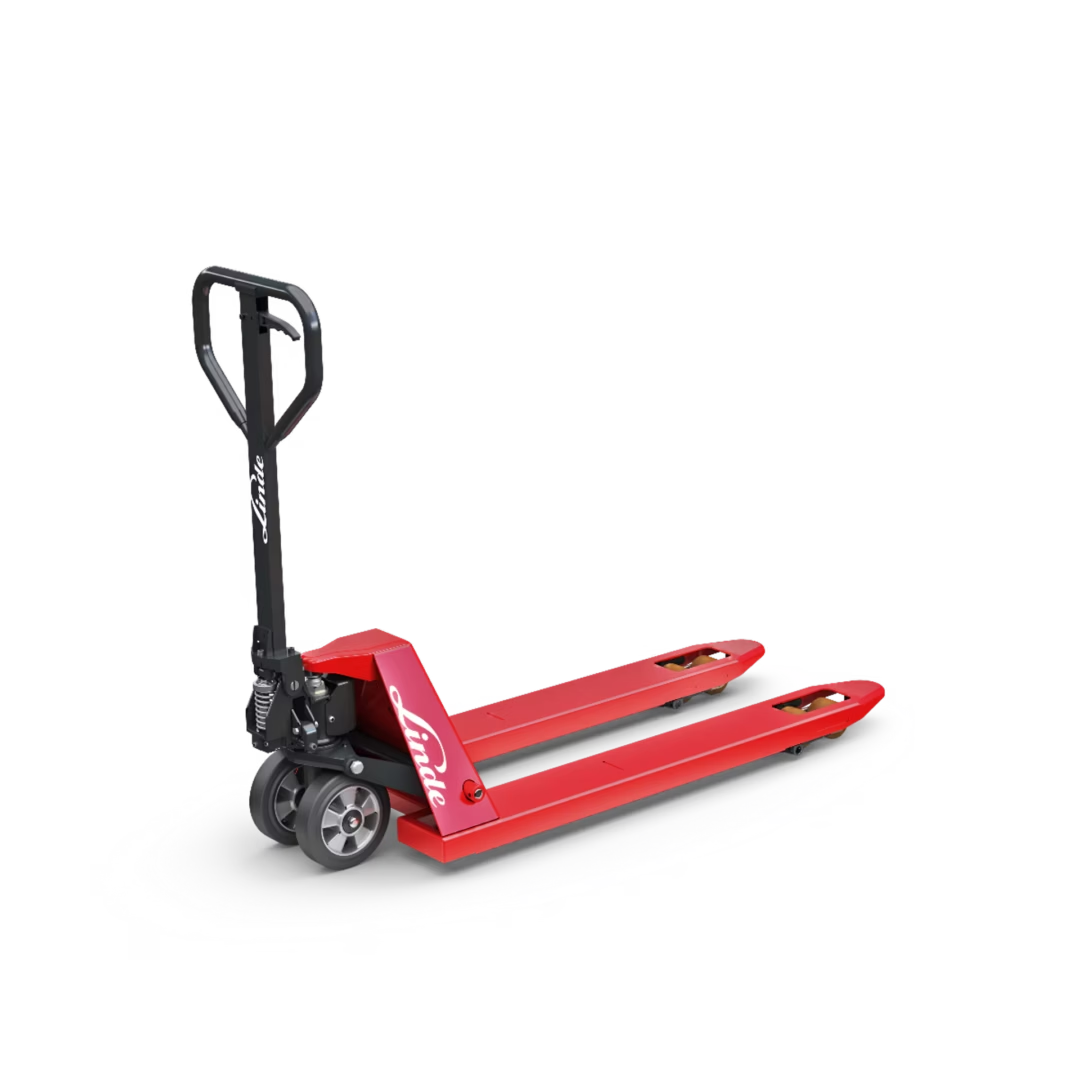
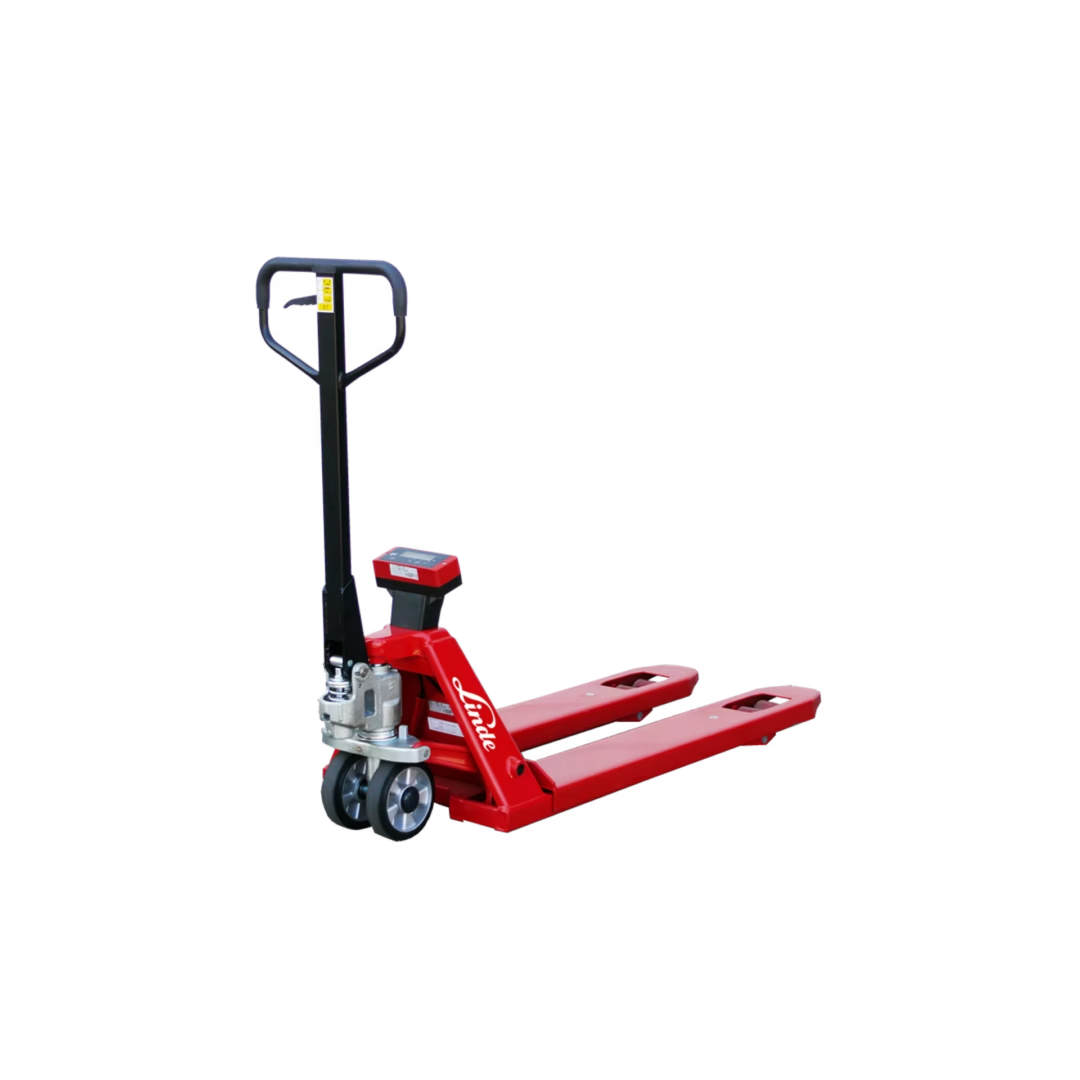
Pallet trucks (also known as pallet jacks) are designed for the horizontal transportation of Euro pallets and industrial pallets in warehouses, retail facilities, manufacturing plants, and loading areas. Alwark supplies Linde and Logitrans models — from basic manual pallet trucks to electric pallet trucks with operator platforms, as well as high-lift models and mechanical versions with integrated weighing scales. Load capacities reach up to 3 tonnes, while lift heights range from the standard 115 mm up to 715 mm for high-lift models.
What is the difference between a pallet truck and a stacker?
A pallet truck is designed for horizontal pallet transportation — it lifts the load only enough to enable safe floor-level movement and is used for transporting goods from one point to another. Electric stackers are designed not only for transportation but also for lifting pallets onto racks at greater heights. Simply put, pallet trucks are typically used for floor-level handling, while stackers are used for servicing high warehouse racking systems.
Which should you choose: a manual or electric pallet truck?
Manual pallet trucks are typically selected for shorter routes, smaller warehouses, and lower-intensity operations. Electric models are more commonly used when loads need to be transported over longer distances or when a large number of pallets are moved during a shift. In busy logistics and distribution centres, electric pallet trucks are often used together with order pickers and other warehouse equipment.
When should you choose a high-lift model?
High-lift pallet trucks allow pallets to be raised to a more ergonomic working height — approximately 670–715 mm. These models are most commonly used when the pallet serves as a working surface, for example in packing, order preparation, assembly, or maintenance areas. In such cases, one device can perform both transportation and working height adjustment functions, reducing the need for additional ergonomic equipment.
Does an operator need training to use an electric pallet truck?
Yes. Operators of electric pallet trucks are subject to occupational safety requirements, meaning employees must be properly trained to operate the equipment in accordance with applicable workplace safety regulations and industrial equipment standards, including EN ISO 3691-1. For manual pallet trucks, an official operator licence is generally not required; however, employers are still responsible for providing instructions on the safe use of the equipment. In some cases, long-term rental agreements may also include operator training.
Can a pallet truck be rented and what warranty is provided?
Alwark offers both short-term and long-term pallet truck rental solutions. Short-term rental is typically selected for peak seasons or project-based operations, while long-term rental (12–60 months) usually includes preventive maintenance and, if required, replacement equipment in the event of a breakdown. New equipment is covered by the manufacturer warranties from Linde and Logitrans. For used equipment, Alwark performs a 40-point inspection and provides a 3-month or 300 operating hour warranty (whichever comes first). Spare parts are typically covered by a 6–12 month warranty, while selected components may have warranty coverage of up to 5 years. Service work is covered by a 6-month warranty. Service support is available throughout the Baltic region.